



Why Your Investor Communication Strategy Should Include UX Design

If you’re preparing materials for a private equity presentation, web design might be the last thing on your mind. But the same design principles that govern website development are vital for effective investor relations.
Think about it this way: when a company develops a website to engage potential customers, that website’s ability to drive conversions has a direct impact on the bottom line. Likewise, when you submit a business plan to prospective investors, your document’s ability to clearly advise on an investment directly impacts your fundraising success.
When a product is designed to inspire a specific action—be it a purchase or an investment—the strategy must focus on creating user experiences that motivate that action.
UX (User Experience) design, while traditionally associated with web development, is an incredibly powerful tool to incorporate into your investor communication documents. Coined in the early 90s by cognitive scientist Don Norman, UX design is the process of supporting user behaviour by creating products that provide meaningful and relevant experiences [1].
The logic behind familiar web features, such as button animations or navigation menus, is born from UX principles. Since user experience extends far beyond web or app interactions, it’s crucial to understand how UX plays a role in other areas of business.
Using Peter Morville’s ‘User Experience Honeycomb,’ a well-known framework that illustrates the core components of effective UX, we can summarize seven basic principles and adapt them to the investor communication materials required throughout the capital raising process [2].
1. Useful: Fulfilling a Need
Traditional Meaning: Creating a functional interface that allows users to perform and complete a task (e.g., purchasing a product on an e-commerce website).
Investor Communication Meaning: Presenting a document that clearly addresses the questions an investor will have (e.g., what are your financial projections?).
Fundamentally, any document you create must serve its designated purpose. For business plans and investor pitch decks, this means informing, advising, and convincing the end-user that your proposed venture is valuable. This is achieved by explicitly answering three basic questions: What do you do? How do you do it? What value will it bring? These answers should be stated early in your document, with subsequent chapters reinforcing that information.
VAN YORK TIP
When stating your value proposition, use consistent language and visual content (e.g., iconography) throughout the document. This repetition leverages a psychological principle known as the “mere-exposure effect,” where people develop a preference for things merely because they are familiar with them, helping your audience recall important details [3].
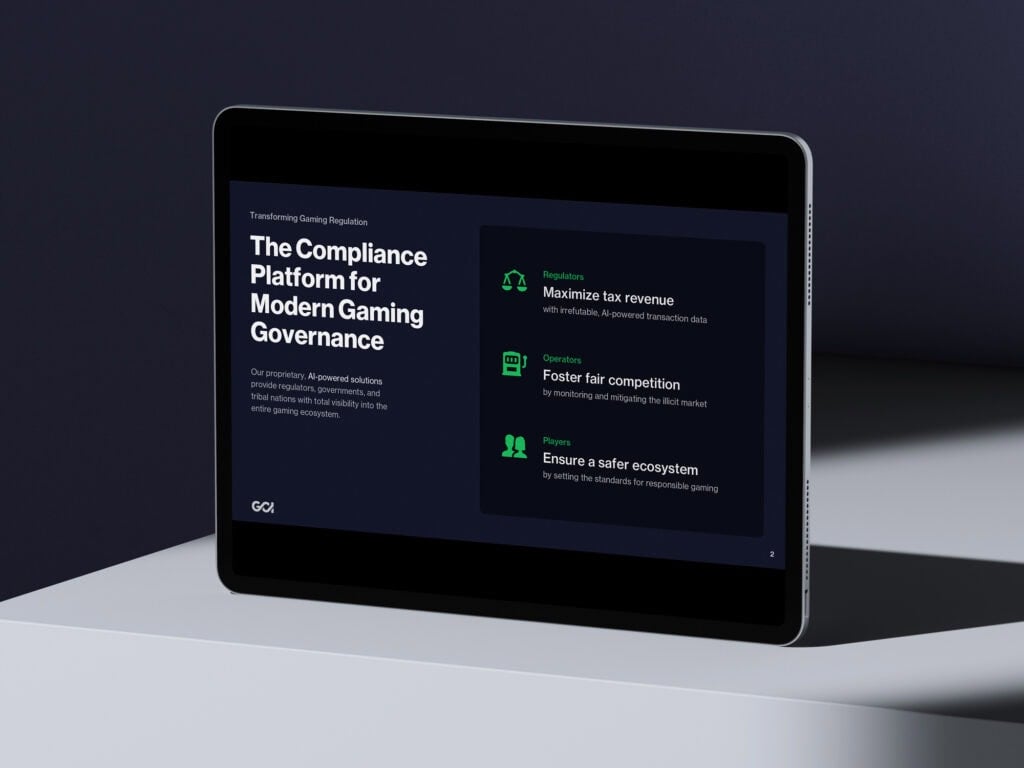
2. Usable: Ease of Use
Traditional Meaning: Designing a website or an app that is straightforward and intuitive.
Investor Communication Meaning: Creating a document that is easy to read and comprehend.
You can have the most innovative and lucrative deal of the century, but how you organize and present that information can make or break your fundraising endeavours. While transferring an idea to paper may seem simple, it’s easy to overwhelm the reader with dense information, forgetting that clarity is paramount.
A good way to ensure you’re drafting a digestible document is to be mindful of its length and structure. For example, the Executive Summary in a business plan should rarely exceed five pages. Keeping this in mind will help you better organize and prioritize information. It’s also wise to appropriately label headers and footers; a reminder of where one is in your document helps the reader navigate it across multiple sittings.
VAN YORK TIP
Before developing your pitch deck, determine its intended use. If the deck will be a presentation aid, follow Guy Kawasaki’s famous 10/20/30 Rule: 10 slides, delivered in 20 minutes, using a 30-point font [4]. If the deck is a standalone document, you may add more slides, but your word count should remain under 150 words per slide.
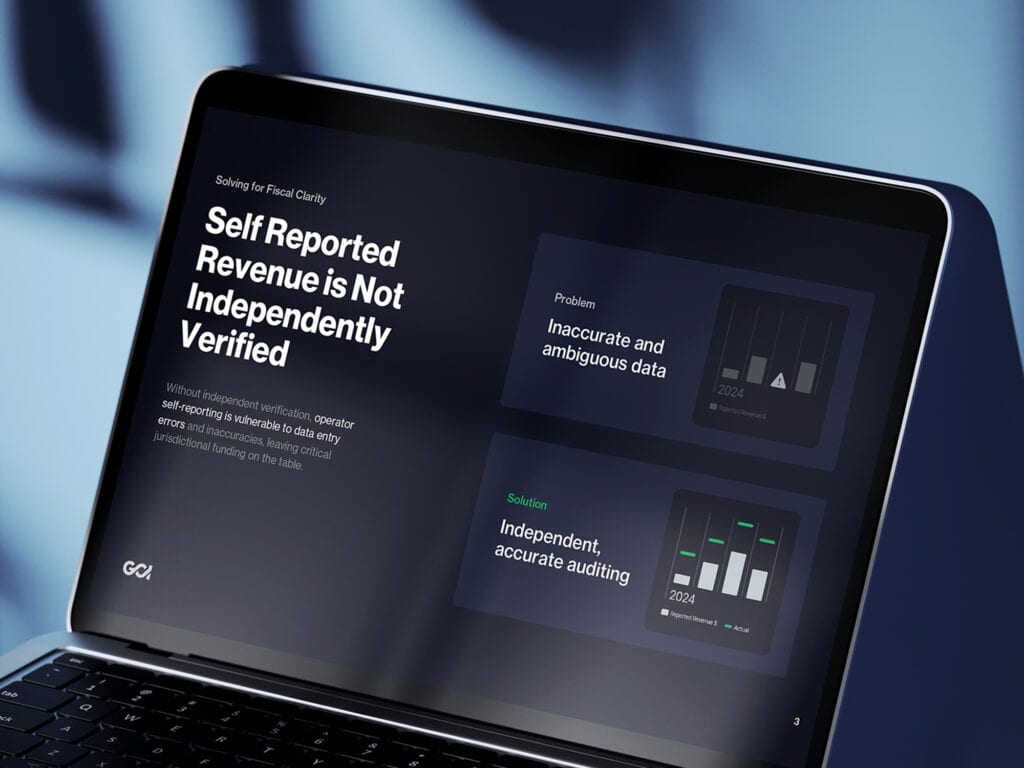
3. Desirable: Inciting an Emotion
Traditional Meaning: Developing a beautiful and memorable interface that excites a user and motivates them to return.
Investor Communication Meaning: Producing a beautiful and memorable document that compels a reader to further consider your proposal.
Desirability refers to the features we typically associate with design: brand, identity, visuals, and imagery—the elements that elicit emotional responses. Don Norman ascribes three distinct levels of emotional design: visceral, behavioural, and reflective [1]:
Visceral: Quick, gut-level reactions. Does your document leave a strong first impression? Do the first few pages compel a reader to continue?
Behavioural: The subconscious experience of using the product. Is the content in your business plan interesting and informative? Is your language appropriate? Are your financials easy to comprehend?
Reflective: The intellectual level of judgment after the experience. Did your business plan convince the reader of the investment’s value? Did it prompt them to take the next steps?
VAN YORK TIP
Use visual content to your advantage. If you sell branded products, include high-quality images. If your value offering is a complex technology, use infographics to explain how it works. A foundational study by the University of Minnesota found that presentations using visual aids are 43% more persuasive than those without [5].

4. Findable: Logical Navigation
Traditional Meaning: Organizing a logical page structure and easy navigation through information architecture.
Investor Communication Meaning: Structuring a document logically to ensure a natural flow of information.
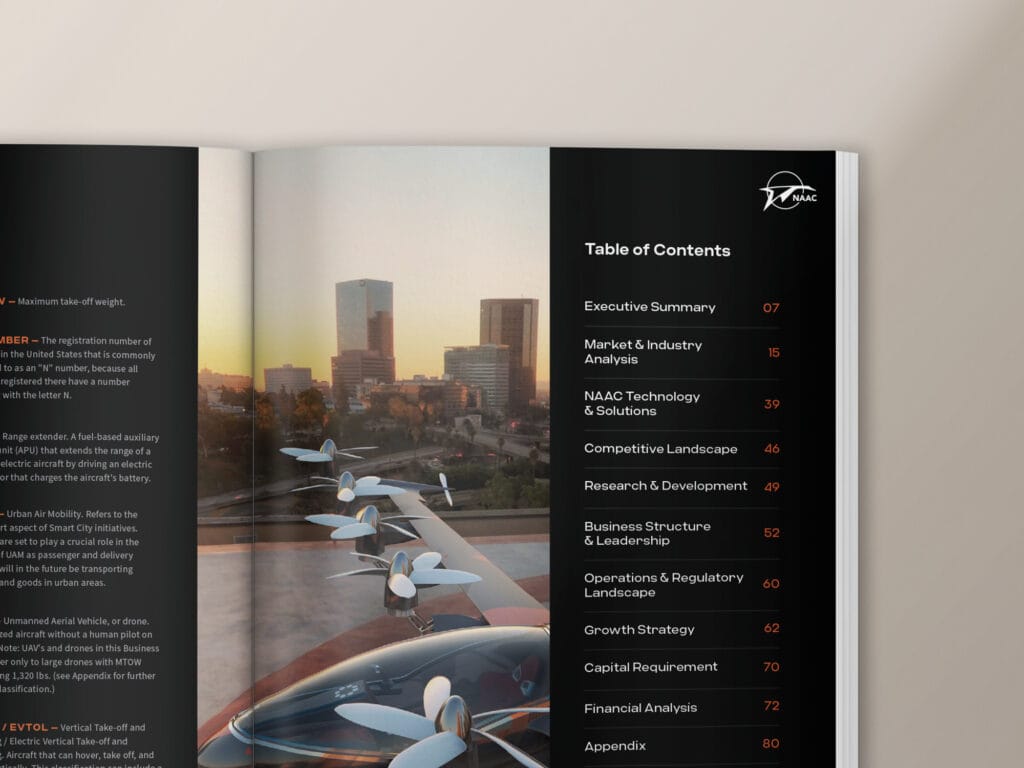
If you were to translate a website’s navigation menu to a business plan, the obvious answer would be the Table of Contents (TOC). Most modern PDF viewers enable click-through links in a TOC, but for digital and physical documents alike, the most important element is a logical structure.
Most people know to begin a business plan with an Executive Summary, but the order of subsequent chapters can be flexible. For example, if your value proposition is the expertise of your executive team, introduce a “Management” chapter early. The same applies if your predominant value stems from your business model, products, or proprietary technology. It’s equally important to consider your conclusions. Does each chapter’s end clarify the information’s implications? Does the end of the business plan reinforce the beginning?
VAN YORK TIP
When introducing a new chapter, start with a brief overview of what the reader can expect. This manages expectations and gives them the power to decide how to navigate your document.

5. Accessible: Catering to Different Users
Traditional Meaning: Designing websites and interfaces that are accessible to all users, including those with disabilities.
Investor Communication Meaning: Translating technical jargon into a language investors can understand.
Designing accessible websites involves a careful examination of text sizing, colour contrasts, and other elements. This criteria is not limited to digital platforms—selecting appropriate font sizes and colour palettes is crucial for an effective business plan. However, accessibility also includes language.
If you operate in a field with industry-specific jargon, remember that not every investor will have the same base knowledge. Assuming your reader will understand technical terms is a significant risk, especially if those terms are central to your value proposition. Simply copying and pasting technical data risks alienating investors who are not engineers themselves. It’s vital to relay your technology’s promise in terms a reader can easily understand.
VAN YORK TIP
If your industry uses technical terminology relevant to your business, consider adding a glossary at the beginning of your document, with formal definitions and how each term applies to your purpose.
6. Credible: Building Trust
Traditional Meaning: Creating user experiences that foster trust in your company.
Investor Communication Meaning: Including sufficient information that instills trust in your company and its management.
When it comes to investor communication, transparency is vital. Earning trust is critical when persuading someone to make a capital investment. Your business plan will serve as a key document in an investor’s due diligence process. Ensure your data is from reputable sources, your financials are presented with all relevant assumptions, and any opinions are labelled as such. When reviewing your plan, ask yourself:
Market Data: Where did these figures come from? Is the source reputable and published within the last two years?
Financial Projections: Did I clearly present the assumptions behind my projections? Do my growth rates reflect my market analysis?
Executive Management: Does my document showcase the executive team and their roles? Did I include contact information for the primary point of contact?
VAN YORK TIP
Showcase your company’s credibility with a comprehensive overview of your management team, including their professional achievements. As many seasoned investors will attest, they often “bet on the jockey, not the horse,” meaning the strength of the founding team can be more important than the business idea itself [6].

7. Valuable: Motivating an Action
Traditional Meaning: Designing user experiences that advance the company mission or contribute directly to the bottom line.
Investor Communication Meaning: Designing user experiences that directly impact the company’s fundraising initiatives.
The culmination of these six principles leads to the final and most important consideration: value. This is especially true for investor communication, where the value proposition is the primary driver. Every business plan has a specific narrative, and every section of your document should reflect that. If you find that certain information does not support or provide context for that narrative, it can likely be excluded.
VAN YORK TIP
When writing your business plan, conclude each chapter with a call-back to your value proposition. For example, if your Market Analysis chapter features promising growth rates, conclude by explaining how that information aligns with your company’s business model and strategy.
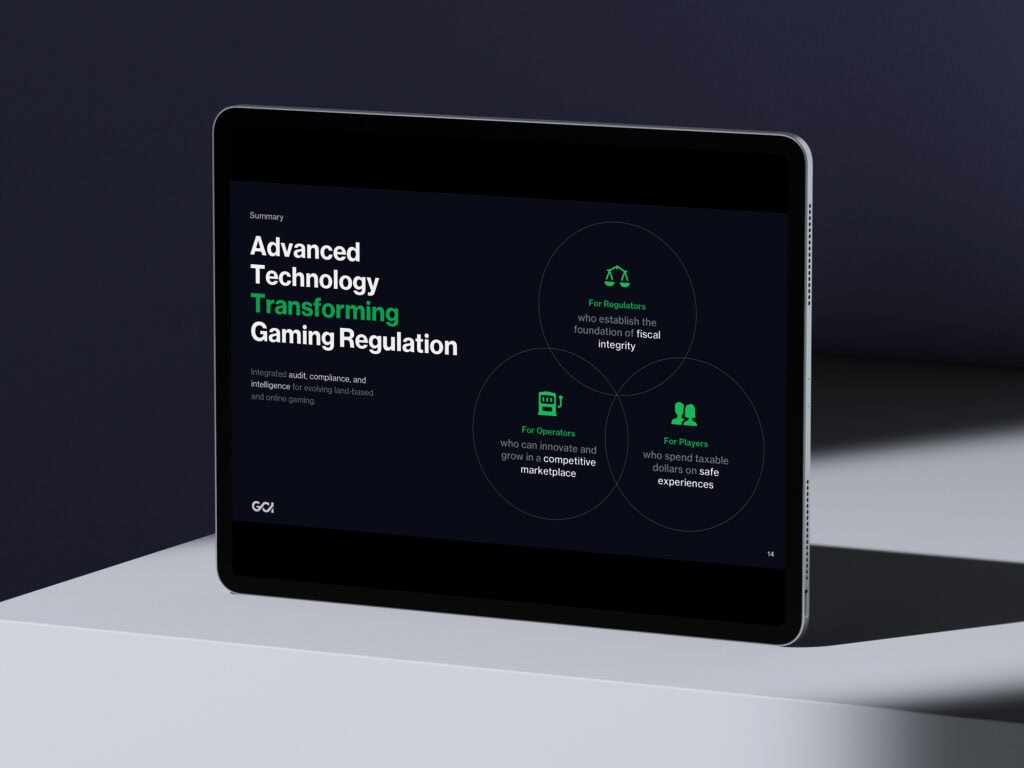
In Summary:
Communicating with your audiences—whether loyal customers or potential investors—requires the ability to speak their language. With the ubiquity of digital communication, that language is largely visual and experiential.
User experience design eliminates barriers to understanding important information, which is tremendously advantageous when communicating value to investors. Therefore, designing for exceptional user experiences should not be confined to websites and apps. It should be implemented in any critical engagement that supports the growth of your business, both online and offline.
References
[1] Norman, D. (2013). The Design of Everyday Things: Revised and Expanded Edition. Basic Books.
[2] Morville, P. (2004). User Experience Design. Semantic Studios.
[3] Zajonc, R. B. (2001). Mere Exposure: A Gateway to the Subliminal. Current Directions in Psychological Science, 10(6), 224–228.
[4] Kawasaki, G. (2004). The Art of the Start: The Time-Tested, Battle-Hardened Guide for Anyone Starting Anything. Portfolio.
[5] Vogel, D. R., Dickson, G. W., & Lehman, J. A. (1986). Persuasion and the Role of Visual Presentation Support: The UM/3M Study. 3M Corporation.
[6] Doerr, J. (2018). Measure What Matters: How Google, Bono, and the Gates Foundation Rock the World with OKRs. Portfolio. (Note: The “jockey vs. horse” concept is a widely held belief in venture capital, articulated by many, including John Doerr).

Katya Polo
Katya Polo is the co-founder of Van York Agency. She specializes in high-level business plans, sales proposals and investor presentations, as well as graphic design and brand development. Since 2018, she has produced 200+ business plans and pitch decks to support fundraising efforts exceeding $3.45 billion in investment capital.
Sign up for emails on latest posts
Never miss an insight. We’ll email you when new posts are published.